Table of Contents
AI assistants have evolved from simple voice commands to sophisticated digital helpers that can transform your daily workflow. In 2026, these artificial intelligence-powered tools process billions of user interactions daily, making them indispensable for both personal productivity and business operations. An Accenture study forecasts that AI technologies, including AI assistants, could boost labor productivity by up to 40% by 2035, primarily by automating routine tasks and allowing human employees to focus on higher-order work.
Whether you’re looking to streamline personal tasks like scheduling meetings and managing calendars, or seeking to enhance customer service and automate business processes, understanding how ai assistants work is crucial for staying competitive in today’s digital landscape. This comprehensive guide will walk you through everything you need to know about ai assistants, from their core technologies to selecting the right ai assistant for your specific needs.
What is an AI Assistant?
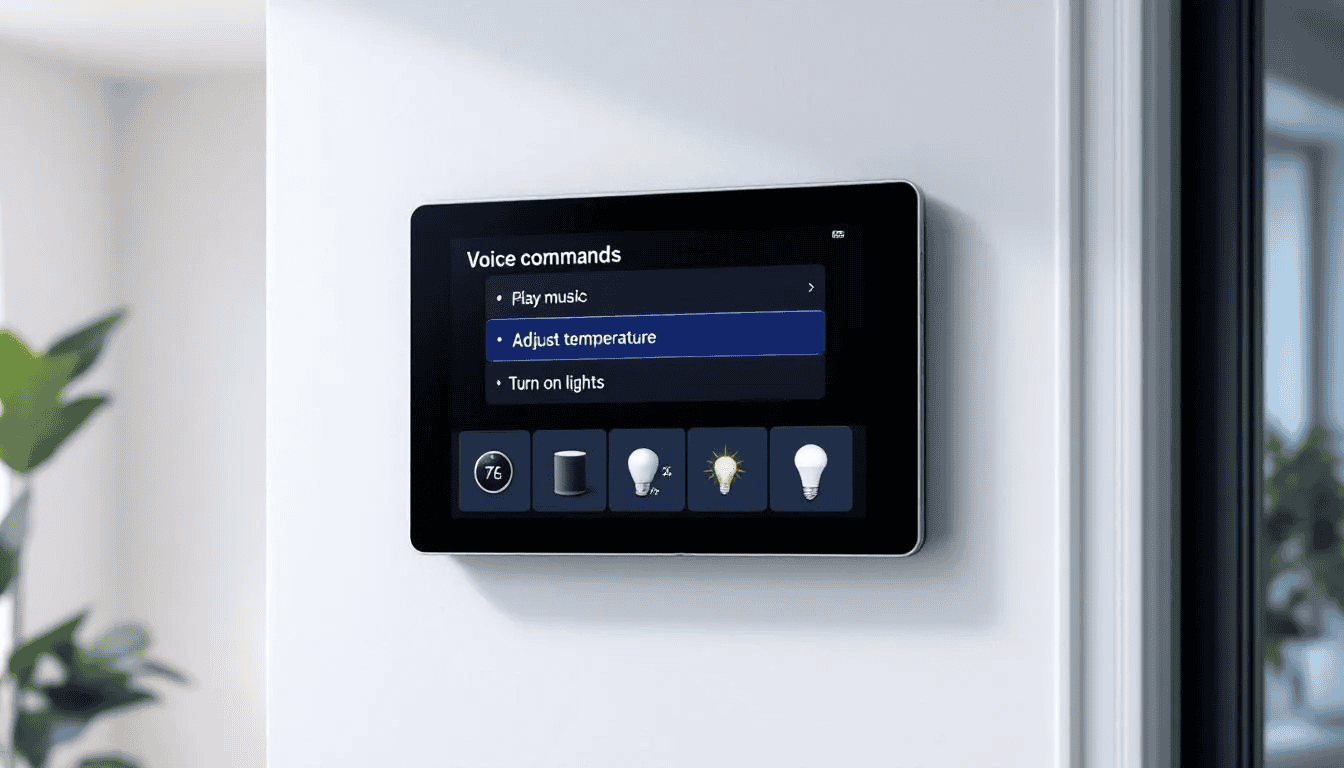
An AI assistant is a software program that uses artificial intelligence to understand natural language and perform specific tasks on behalf of users. These digital tools leverage advanced technologies like natural language processing (NLP), machine learning, and large language models to interpret user commands, execute tasks, and provide intelligent responses in a conversational manner.
Modern AI assistants can be voice-based (like Siri, Amazon Alexa, and google assistant) or text-based (like ChatGPT and AI-powered chatbots). What sets them apart from traditional software applications is their ability to understand user preferences, learn from user interactions, and adapt their responses over time. They serve as a bridge in human-computer interaction through conversational interfaces, making complex technology accessible through simple voice commands or written commands.
The core AI capabilities that power these digital helpers include the ability to:
- Process and understand natural language in multiple formats
- Learn from user interactions and improve performance over time
- Execute complex tasks across multiple apps and digital tools
- Provide personalized responses based on user preferences and context
- Integrate with smart devices, project management tools, and other messaging apps
Unlike simple chatbots that follow predetermined scripts, AI assistants can handle complex queries, understand context, and perform a wide range of administrative tasks without human intervention.
How AI Assistants Work
The technology behind AI assistants involves several interconnected systems working together to deliver seamless user experiences. Understanding how AI assistants work helps appreciate their capabilities and limitations in handling various tasks.
The process begins when users provide input through voice commands, written commands, or other messaging apps. The AI assistant uses automatic speech recognition (ASR) and natural language processing to convert this input into structured data that it can understand. Machine learning algorithms then analyze the user’s intent, considering context from previous interactions and current user preferences.
Once the system understands what the user wants, it accesses relevant data sources, APIs, and third-party applications to execute the requested task. This might involve accessing customer data from crm software, checking calendars for meeting scheduling, or connecting with smart home devices. The AI assistant then generates an appropriate response, learning from each interaction to improve future performance.
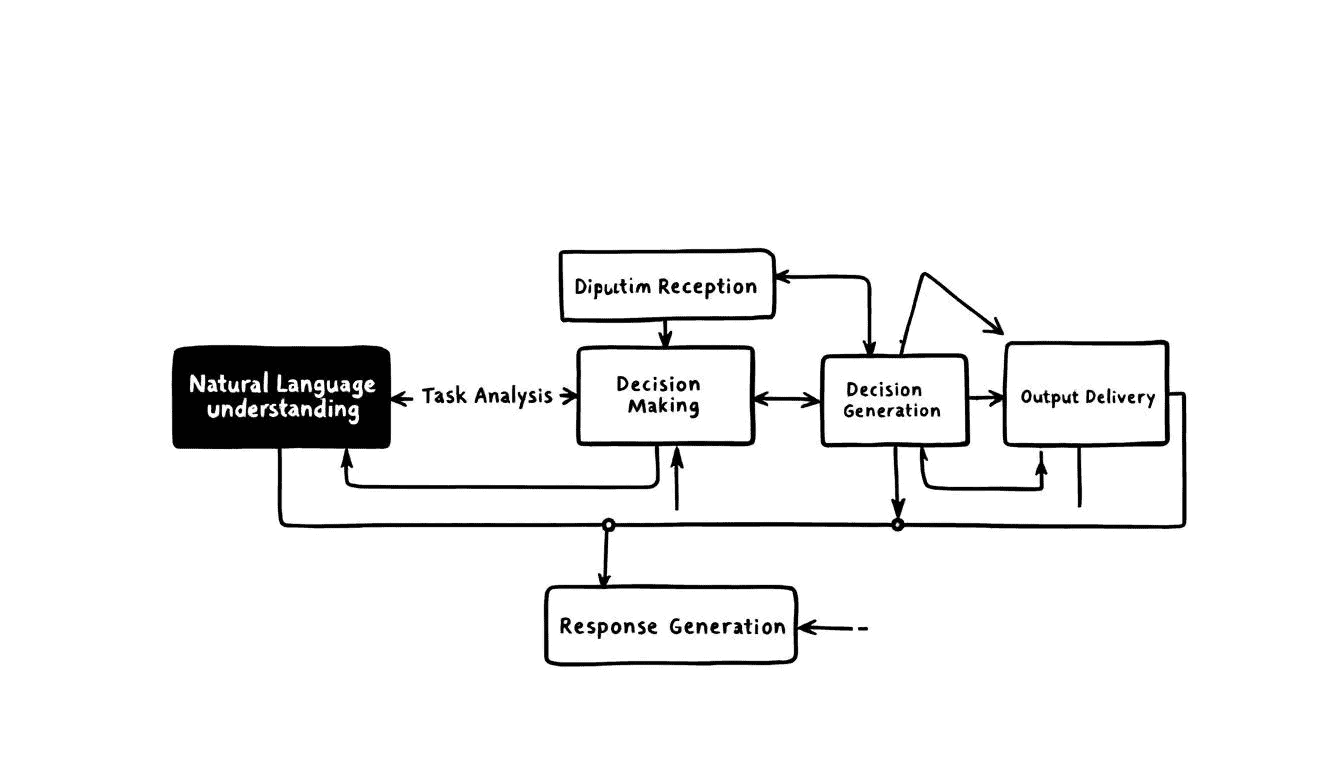
Advanced AI assistants use large language models (LLMs) with billions of parameters, enabling them to handle complex tasks that require reasoning and context awareness. These models continuously learn from user interactions, making them more effective at understanding user preferences and delivering personalized responses over time.
The integration capabilities are particularly important for business AI assistants, which need to work seamlessly with existing digital tools like project management tools, customer service platforms, and data analysis systems. This seamless integration allows them to automate time-consuming tasks and reduce human error in repetitive tasks.
Main Categories of AI Assistants
AI assistants can be categorized by their use cases, target audiences, and specialized functionality. Each category serves specific needs and industries, making it important to understand these distinctions when selecting the right AI assistant for your requirements.
The landscape of AI assistants has expanded significantly since the early days of simple voice recognition. Today’s market offers everything from general-purpose personal assistants to highly specialized industry-specific solutions that can enhance customer service and automate complex business processes.
Personal AI Assistants
Personal AI assistants focus on individual productivity and daily task management. These digital helpers excel at managing personal tasks, controlling smart home devices, and providing quick access to information.
Apple Siri (launched 2011) was the first mainstream mobile AI assistant, integrated across iOS devices. Siri excels at basic voice commands, smart home integration, and seamless integration with Apple’s ecosystem. It can handle tasks like setting reminders, making calls, and controlling smart devices with less than a minute of setup time.
Google Assistant (launched 2016) offers conversational AI with robust smart home integration and superior natural language understanding. It connects with Google Maps, manages calendars, and provides comprehensive answers to complex queries. Google Assistant particularly excels at search-related tasks and has strong integration with Google’s suite of digital tools.
Amazon Alexa (launched 2014) is a voice-activated assistant designed primarily for Echo devices and smart home automation. Alexa’s strength lies in its extensive smart home device compatibility and third-party skill ecosystem. It’s particularly effective for automating routine tasks around the home and managing smart home integration.
Samsung Bixby serves as an AI personal assistant for Samsung’s ecosystem, including smartphones, televisions, and home appliances. While less widely adopted than other voice assistants, Bixby offers deep integration with Samsung devices and can perform complex device-specific tasks.
Workplace Productivity Assistants
Business AI assistants focus on enhancing workplace efficiency and automating administrative tasks. These tools are designed to reduce time-consuming tasks and improve collaboration within organizations.
Meeting and transcription tools like Fireflies.ai and Otter.ai provide automated note-taking and meeting summarization. These AI assistants can join video calls, transcribe conversations in real-time, and generate step-by-step instructions or action items. They significantly reduce the manual effort required for documenting meetings and following up on key points.
Scheduling assistants such as Motion and Clara optimize calendar management and meeting scheduling. These tools can coordinate across multiple participants, find optimal meeting times, and handle the back-and-forth communication typically required for scheduling meetings. They often integrate with existing project management tools and can assign tasks based on calendar availability.
Email management AI assistants help organize inboxes, draft responses, and prioritize messages. These tools can learn user preferences for email handling, automatically categorize messages, and even draft personalized responses based on context and previous communication patterns.
AI writing assistants like Grammarly, Jasper, and WriteSonic support content creation and editing across various formats. These tools can help with everything from long-form articles to quick email responses, ensuring consistent tone and quality while reducing the time required for written communication.
Specialized Industry Assistants
Industry-specific AI assistants address unique challenges and workflows within particular sectors, offering specialized functionality that generic assistants cannot provide.
Customer service AI assistants like Zendesk AI and Intercom chatbots provide 24/7 support capabilities. These AI-powered chatbots can handle routine customer interactions, answer questions about products and services, and escalate complex issues to human agents when necessary. They significantly improve customer satisfaction by providing immediate responses and reducing wait times.
Financial assistants such as Cleo and Ally Financial’s chatbot help with banking, budgeting, and financial planning. These specialized tools can analyze spending patterns, provide personalized financial advice, and automate routine financial tasks while maintaining robust security protocols for handling sensitive customer data.
Travel planning assistants like Ava by Navan and Maya by Live the World streamline itinerary creation and travel management. These ai agents can coordinate complex travel arrangements, find optimal routes and accommodations, and provide real-time updates about travel conditions.
Coding assistants like GitHub Copilot (launched 2021) revolutionize software development by providing intelligent code completion and suggestions. These tools can understand coding context, suggest entire functions or classes, and help developers write more efficient code while reducing human error in programming tasks.
Key Benefits of Using AI Assistants
The adoption of ai assistants across personal and business contexts stems from their ability to deliver measurable improvements in efficiency, accuracy, and user experience. Understanding these benefits helps organizations and individuals make informed decisions about implementing these digital tools.
Time and Cost Savings
AI assistants excel at automating repetitive tasks, leading to significant time savings for users. Tasks that previously required manual effort, such as data entry, scheduling meetings, and managing calendars, can now be completed in less than a minute with appropriate AI assistance.
For businesses, the cost savings extend beyond time efficiency. AI assistants provide 24/7 availability, reducing the need for human staffing during off-hours for customer service and support functions. A single AI assistant can handle multiple user interactions simultaneously, scaling customer support capabilities without proportional increases in personnel costs.
The automation of mundane tasks allows employees to focus on higher-value activities that require human creativity and strategic thinking. This shift not only improves job satisfaction but also enhances overall organizational productivity and innovation capacity.
Enhanced Productivity and Accuracy
AI assistants significantly reduce human error in repetitive tasks through consistent execution of predetermined processes. Unlike human workers, ai assistants don’t experience fatigue or distraction, maintaining consistent performance levels throughout extended periods of operation.
The machine learning capabilities of modern ai assistants mean they continuously improve their performance based on user interactions and feedback. This learning process enables them to become more accurate at understanding user preferences and executing tasks according to individual and organizational requirements.
Advanced ai assistants can process and analyze large volumes of data quickly, providing insights and recommendations that would be time-consuming for humans to generate. This capability is particularly valuable for data analysis, customer data interpretation, and identifying patterns in business operations.
Personalization and User Experience
Modern ai assistants excel at adapting to individual user preferences and behavior patterns. Through continuous learning from user interactions, these digital helpers develop an understanding of personal communication styles, preferred workflows, and individual task priorities.
The contextual awareness of advanced ai assistants allows them to remember past interactions and maintain conversation history, creating more natural and efficient user experiences. This memory capability enables them to provide more relevant suggestions and anticipate user needs based on established patterns.
Many ai assistants now offer multilingual support and accessibility features, making them valuable tools for diverse user bases. This inclusivity broadens their utility across geographic markets and user demographics, supporting organizations with global operations or diverse customer bases.
Popular AI Assistant Tools in 2026
The ai assistant landscape in 2026 features a diverse ecosystem of tools, from general-purpose conversational platforms to specialized business solutions. Understanding the current market offerings helps users identify the most appropriate tools for their specific needs.
Conversational AI Platforms
ChatGPT (OpenAI, launched November 2022) represents a significant advancement in conversational AI technology. Powered by GPT-4, it excels at complex reasoning, content creation, and multi-step problem solving. ChatGPT can handle a wide range of tasks, from answering questions and providing writing assistance to generating code and analyzing data. Its ability to maintain context across lengthy conversations makes it particularly valuable for complex projects requiring sustained interaction.
Meta AI (2026) leverages LLaMA-based technology and integrates across Facebook, Instagram, and WhatsApp platforms. This integration provides users with AI assistance directly within their preferred messaging apps, making it convenient for social media management and communication enhancement.
Google Bard/Gemini combines Google’s conversational AI capabilities with its search infrastructure, providing users with real-time information access and comprehensive research support. The integration with Google’s ecosystem of digital tools makes it particularly valuable for users already invested in Google’s productivity platforms.
Business-Focused Solutions
Salesforce Agentforce provides enterprise AI agents specifically designed for customer service and sales automation. These specialized tools integrate deeply with Salesforce’s CRM software, enabling organizations to automate customer interactions while maintaining access to complete customer data and interaction history.
Microsoft Copilot integrates across Office 365 applications, bringing AI assistance directly into familiar productivity tools. This seamless integration allows users to leverage AI capabilities within their existing workflows, from document creation and data analysis to email management and presentation development.
ServiceNow AI agents focus on workflow automation for IT and customer service operations. These specialized assistants can handle ticket routing, automate routine maintenance tasks, and provide intelligent recommendations for resolving technical issues, significantly improving operational efficiency.
How to Choose the Right AI Assistant
Selecting the appropriate AI assistant requires careful consideration of specific needs, technical requirements, and implementation factors. A systematic approach to evaluation ensures that organizations and individuals choose tools that deliver maximum value for their particular use cases.
Define Your Needs and Goals
Begin by identifying the specific tasks you want to automate and the problems you’re trying to solve. Whether your focus is on scheduling meetings, enhancing customer service, or automating data entry, clearly defined objectives help narrow the field of potential solutions.
Consider whether you need personal productivity enhancement or business-focused capabilities. Personal AI assistants typically excel at individual task management and smart home integration, while business AI assistants offer more sophisticated workflow automation and team collaboration features.
Evaluate your integration requirements with existing digital tools and workflows. The most effective ai assistant implementations occur when the chosen tool seamlessly integrates with your current project management tools, crm software, and other business applications.
Evaluate Key Features
Assess the natural language processing quality and accuracy of potential ai assistants. Test their ability to understand your communication style, handle complex queries, and maintain context across extended interactions. The best ai assistants should feel natural to use and require minimal training to achieve effective results.
Consider the integration capabilities with your existing software stack. Effective AI assistants should connect easily with your current digital tools, whether that’s email platforms, project management tools, or specialized industry software.
Examine customization options and learning capabilities. The most valuable AI assistants adapt to user preferences over time, learning from interactions to provide increasingly relevant and personalized responses.
Review security features and data privacy compliance, especially for business applications. Ensure that any AI assistant handling sensitive information maintains robust security protocols and meets relevant regulatory requirements for your industry.
Consider Implementation Factors
Evaluate pricing models carefully, considering whether subscription-based, usage-based, or enterprise licensing makes the most sense for your situation. Factor in the total cost of ownership, including training time and potential productivity gains during the implementation period.
Assess setup complexity and training requirements. The best AI assistants should be intuitive to use while offering sufficient depth for advanced applications. Consider whether your team has the technical expertise to implement and maintain more complex solutions.
Consider scalability and future expansion possibilities. Choose AI assistants that can grow with your needs, whether that means handling increased user volume, adding new functionality, or integrating with additional tools as your requirements evolve.
Evaluate vendor support and documentation quality. Reliable customer support and comprehensive documentation are crucial for the successful implementation and ongoing optimization of AI assistant capabilities.
Limitations and Challenges
While AI assistants offer significant benefits, understanding their current limitations and challenges is essential for setting appropriate expectations and developing effective implementation strategies.
Technical Limitations
Current AI assistants can struggle with complex tasks that require human judgment, intuition, or deep contextual understanding. While they excel at automating routine tasks and providing quick answers to straightforward questions, they may fail when dealing with nuanced situations that require emotional intelligence or creative problem-solving.
Understanding context, sarcasm, and nuanced communication remains challenging for many AI assistants. While natural language processing has advanced significantly, subtle communication cues that humans easily interpret can still confuse even sophisticated AI systems.
AI assistants occasionally produce inaccurate information or “hallucinations” in their responses. This limitation is particularly important to consider when using AI assistants for critical business decisions or when accuracy is paramount. Users should implement verification processes for important information provided by AI assistants.
Most AI assistants require internet connectivity to access their full capabilities, creating potential disruptions during connectivity issues. This dependence on cloud-based processing can limit their utility in environments with unreliable internet access.
Privacy and Security Concerns
The data collection and storage practices of AI assistants require careful consideration, especially when handling sensitive personal or business information. Users should understand what data is collected, how it’s stored, and who has access to it.
Voice-activated AI assistants present particular security vulnerabilities, as they’re always listening for activation commands. This constant monitoring raises concerns about accidental data collection and potential unauthorized access to conversations.
Organizations implementing business AI assistants must ensure robust encryption and access controls to protect customer data and maintain compliance with regulations like GDPR and HIPAA. The integration of ai assistants with existing systems can create new attack vectors that require careful security planning.
Building user trust requires transparency about ai capabilities and limitations. Organizations should clearly communicate when users are interacting with ai assistants versus human agents, and provide clear escalation paths for situations requiring human intervention.
Future of AI Assistants
The evolution of ai assistants continues to accelerate, with emerging technologies and market trends pointing toward more capable, autonomous, and integrated solutions in the coming years.
Technological Advancements
Multimodal capabilities combining text, voice, and visual inputs represent a significant advancement in ai assistant technology. Future systems will seamlessly process information from multiple sources simultaneously, enabling more natural and comprehensive interactions with users.
Improved reasoning and autonomous decision-making abilities will enable ai assistants to handle more complex tasks with minimal human oversight. These autonomous ai agents will be capable of executing multi-step processes, making informed decisions based on available data, and adapting their approaches based on changing circumstances.
Enhanced understanding of context and emotional intelligence will make ai assistants more effective at interpreting user needs and providing appropriate responses. This advancement will be particularly valuable for customer service applications and personal assistance scenarios.
Real-time learning and adaptation to user preferences will enable ai assistants to become increasingly personalized over time. Rather than relying solely on general training data, future ai assistants will continuously refine their understanding of individual user needs and organizational workflows.
Market Trends and Adoption
The integration of ai assistants across all major platforms and devices continues to expand, making these tools increasingly ubiquitous in daily life and business operations. This widespread adoption will drive further innovation and specialization in ai assistant capabilities.
The shift from reactive assistants to proactive ai agents represents a fundamental change in how these tools operate. Future ai assistants will anticipate user needs, suggest optimizations, and initiate actions without explicit user commands, becoming true partners in productivity and efficiency.
Enterprise adoption for workflow automation continues to grow as organizations recognize the potential for significant productivity gains and cost savings. Business ai assistants will become increasingly sophisticated in handling complex organizational processes and decision-making scenarios.
Market growth projections suggest continued expansion and industry transformation through 2025-2030, with AI assistants becoming integral components of both personal and professional digital ecosystems. This growth will drive continued investment in research and development, leading to more capable and specialized solutions.
The convergence of AI assistants with other emerging technologies, including Internet of Things devices, augmented reality, and blockchain systems, will create new possibilities for intelligent automation and user interaction.
Conclusion
AI assistants have transformed from simple voice recognition tools to sophisticated digital helpers capable of revolutionizing personal productivity and business operations. With their ability to automate routine tasks, reduce human error, and provide 24/7 availability, these ai powered tools offer compelling value propositions for individuals and organizations alike.
The key to successful ai assistant implementation lies in understanding your specific needs, evaluating available options systematically, and choosing tools that integrate well with your existing workflows. Whether you need a personal assistant for managing calendars and smart home devices, or business ai assistants for enhancing customer service and automating complex processes, the right solution can deliver significant time savings and productivity improvements.
As the technology continues to evolve toward more autonomous and intelligent systems, early adoption and experimentation with current ai assistant capabilities will position users to take advantage of future advancements. Start by identifying your most time consuming tasks and exploring how available ai assistants can help automate these processes, then gradually expand your use of these powerful digital tools as you become more comfortable with their capabilities.
The future of work and personal productivity will be increasingly shaped by our ability to effectively collaborate with ai assistants, making now the ideal time to begin exploring how these digital helpers can enhance your daily workflows and long-term success.
AI Assistant: Frequently Asked Questions (FAQ)
What is an AI assistant?
An AI assistant is a software program powered by artificial intelligence that understands natural language and performs specific tasks on behalf of users. These tasks can range from scheduling meetings and managing calendars to answering questions and controlling smart home devices.
How do AI assistants work?
AI assistants use advanced technologies like natural language processing (NLP), machine learning, and large language models to interpret user commands. They analyze the intent behind voice or written inputs, access relevant data or applications, and execute tasks in a conversational manner, continuously learning from user interactions to improve performance.
What are common uses of AI assistants?
AI assistants are used for a variety of purposes including automating routine tasks, managing personal and business schedules, providing customer service, creating and editing content, controlling smart home devices, and assisting with complex workflows in specialized industries.
What are the benefits of using an AI assistant?
Using an AI assistant saves time and reduces human error by automating repetitive and time-consuming tasks. They enhance productivity through personalized responses, seamless integration with digital tools, and 24/7 availability, all while improving customer satisfaction and user experience.
Are AI assistants secure?
Most AI assistants employ robust security protocols, including data encryption and strict privacy policies, to protect user information. However, users should always be mindful of data security and choose assistants that comply with relevant regulations and best practices.
How do I choose the right AI assistant?
Choosing the right AI assistant depends on your specific needs, such as whether you require personal productivity support or business-oriented features. Consider factors like natural language processing quality, integration capabilities, advanced features, scalability, user experience, and cost to find the best fit.
Can AI assistants perform complex tasks?
Yes, advanced AI assistants can perform complex tasks that involve reasoning, multi-step processes, and integration across multiple apps and platforms. However, some nuanced or highly specialized tasks may still require human intervention.
What is the difference between an AI assistant and an AI agent?
AI assistants typically respond to direct user commands and assist with specific tasks, while AI agents can operate autonomously, making decisions and executing multi-step goals with minimal human input. Both use similar technologies but differ in autonomy and scope of operation.
Will AI assistants replace human workers?
AI assistants are designed to augment human work by automating mundane and repetitive tasks, allowing humans to focus on higher-value, creative, and strategic activities. They are tools to enhance productivity, not replacements for human roles.
What is the future of AI assistants?
The future of AI assistants includes more autonomous capabilities, improved understanding of context and emotional intelligence, multimodal interactions combining text, voice, and visuals, and deeper integration with emerging technologies. These advancements will make AI assistants even more effective and personalized.